
Introduction
In the world of residential and commercial construction, the roof is often viewed as a singular, monolithic entity: a layer of shingles or metal that keeps the rain out. However, this perspective is a dangerous oversimplification that leads to premature failures, costly repairs, and decreased property value. The reality is that a roof is a complex, integrated system of interdependent components. While homeowners and property managers frequently focus on the aesthetic appeal of shingles, it is the hidden, often neglected elements that dictate the system’s longevity and performance. In recent years, industry trends have shifted toward high-performance building envelopes, emphasizing the need for robust moisture management and thermal regulation. Understanding The Most Overlooked Parts of a Roofing System (And Why They Matter) is essential for anyone looking to protect their investment and ensure structural integrity against increasingly volatile weather patterns. This guide provides a technical deep-dive into the critical components that operate beneath the surface, exploring the engineering and physics that keep a building dry and safe.
The Drip Edge: The Unsung Hero of Water Management
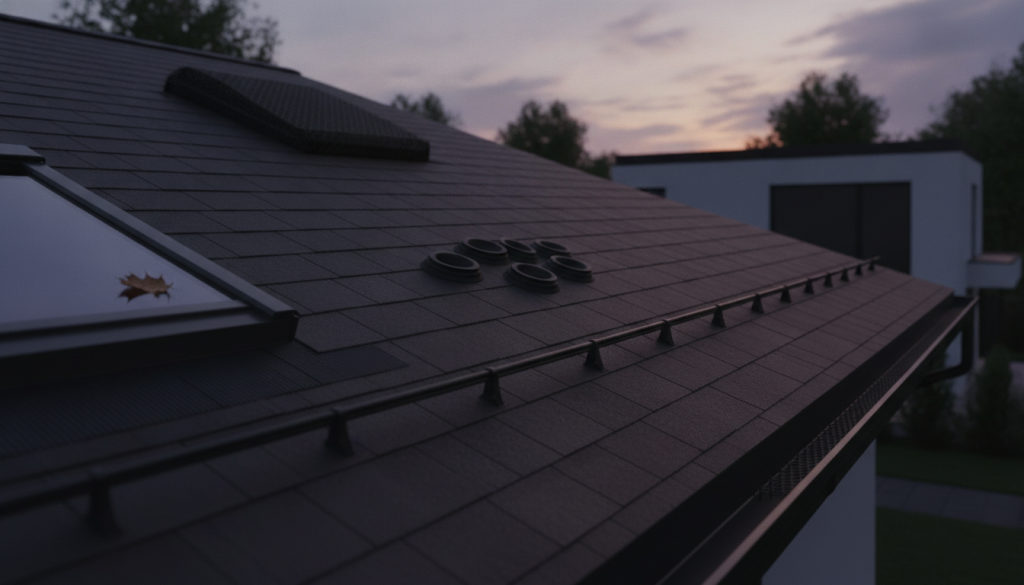
The drip edge is a non-corrosive metal flashing, typically L-shaped, installed along the eaves and rakes of a roof. Despite its small profile, its role is foundational. Its primary purpose is to direct water away from the fascia and into the gutter system, preventing water from seeping under the shingles or behind the gutters. Without a properly installed drip edge, water adheres to the vertical surfaces of the home through capillary action, leading to rotted fascia boards, compromised soffits, and even foundation issues. In many jurisdictions, the International Residential Code (IRC) now mandates drip edge installation because of its critical role in preventing wood decay and pest infestation. When water saturates the roof deck’s edge, it softens the wood, creating an entry point for termites and carpenter ants. Furthermore, the drip edge provides structural support for the shingles that overhang the roof line, preventing them from sagging or breaking over time.
Roof Underlayment: The Secondary Defense Layer
Often referred to as the ‘last line of defense,’ underlayment is the material installed directly onto the roof deck before the final covering. Historically, asphalt-saturated felt (tar paper) was the industry standard. However, modern roofing science has introduced synthetic underlayment, typically made from woven or spun-bonded polyethylene or polypropylene. This shift is significant because synthetic materials offer superior tear resistance, UV stability, and moisture protection. Underlayment serves two vital functions: it protects the roof deck during installation and acts as a secondary barrier if water manages to penetrate the shingles due to wind-driven rain or ice dams. High-performance underlayment also provides a ‘breathable’ barrier that allows moisture vapor to escape from the building’s interior, preventing the accumulation of condensation that can lead to mold and rot within the attic space.
The Complexity of Roof Ventilation
Perhaps no part of the roofing system is more misunderstood than ventilation. A functional roof requires a balanced system of intake and exhaust vents to regulate temperature and moisture levels in the attic. This is governed by the 1/300 rule, which suggests one square foot of net free vent area for every 300 square feet of attic floor space.
Intake Ventilation: Soffit and Drip Edge Vents
Intake vents are located at the lowest part of the roof, usually in the soffits. They allow cool, fresh air to enter the attic space. If these vents are blocked by insulation or are non-existent, the entire ventilation cycle fails.
Exhaust Ventilation: Ridge and Gable Vents
Exhaust vents, located at the peak of the roof, allow hot, moist air to escape through convection and the Venturi effect. Without this movement, attic temperatures can exceed 150 degrees Fahrenheit in the summer, effectively ‘cooking’ the shingles from the underside and causing premature granule loss and curling. In winter, poor ventilation leads to ice dams, as trapped heat melts snow on the roof, which then refreezes at the cold eaves, backing water up under the shingles.
Ice and Water Shield: Targeted Protection
In regions prone to freezing temperatures, an ice and water shield is an indispensable, yet frequently overlooked, component. This is a self-adhering membrane, usually modified bitumen, that creates a watertight seal around roofing nails and in high-risk areas like valleys, chimneys, and skylights. Unlike standard underlayment, this membrane bonds directly to the roof deck. When an ice dam forms, water pools behind the ice; the shield prevents this standing water from penetrating the deck. Failing to install this in critical areas is one of the leading causes of interior water damage in northern climates.
Starter Shingles and Why They Prevent Failure
Many amateur installers or budget-conscious contractors attempt to use cut-up standard shingles as a starter course. This is a critical error. Purpose-made starter shingles are engineered with a specific adhesive strip along the very edge of the eave. This creates a continuous seal that prevents wind from getting under the first course of shingles. High-wind events often cause ‘unzipping,’ where the wind lifts the bottom layer and peels the entire roof back. The starter strip is the anchor that prevents this catastrophic failure.
Flashing: The Geometry of Waterproofing
Flashing refers to the thin pieces of impervious material installed at any intersection or termination of the roof plane. This includes chimneys, dormers, vent pipes, and skylights. Step flashing and counter-flashing are the two most critical types. Step flashing is integrated into each shingle layer along a vertical wall, while counter-flashing is embedded into the masonry to cover the top of the step flashing. Overlooking the quality of flashing or reusing old, corroded flashing during a reroof is a recipe for disaster. Most roof leaks do not occur in the field of the shingles; they occur at the flashing points where the geometry of the roof changes.
Table: Critical Roofing Components and Their Impact
| Component | Primary Function | Consequence of Neglect |
|---|---|---|
| Drip Edge | Water diversion to gutters | Fascia rot, mold, pest entry |
| Synthetic Underlayment | Secondary moisture barrier | Decking degradation, leaks |
| Soffit Vents | Air intake for cooling | Heat buildup, shingle blistering |
| Ice & Water Shield | Sealant for valleys/eaves | Ice dam leakage, interior damage |
| Starter Shingles | Wind uplift prevention | Shingle blow-offs, unzipping |
| Ridge Caps | Peak protection and venting | Water entry at the highest point |
The Role of Fasteners and Nailing Patterns
Even the highest-quality shingle will fail if the fasteners are overlooked. Most manufacturers require a specific number of nails (usually 4 to 6) per shingle, placed precisely along the ‘nail line.’ High-nailing (placing nails too high) or under-driving nails prevents the shingle from being properly secured to the deck. Furthermore, the type of nail matters. Hot-dipped galvanized nails are required to resist corrosion. If a contractor uses standard steel nails, they will rust through within a few years, leaving the shingles vulnerable to sliding off the roof. The length of the nail must also be sufficient to penetrate the roof deck by at least 3/4 of an inch to ensure maximum withdrawal resistance.
Frequently Asked Questions
1. Can I install a new roof over old shingles to save money?
While technically allowed by some codes, it is highly discouraged. Doing so hides the condition of the overlooked components like the deck and flashing, and it prevents the installation of a new ice and water shield. It also adds significant weight to the structure.
2. Why is my attic so hot even though I have vents?
This is often due to an imbalance. If you have exhaust vents but your soffit (intake) vents are blocked by insulation, air cannot circulate. You must ensure that baffles are installed to keep the intake path clear.
3. Do all roofs need a drip edge?
Yes. Even if not strictly required by local code in older areas, a drip edge is an industry best practice that protects the structural integrity of the roof deck and fascia. It is a low-cost component with a high-value return.
4. How long does flashing typically last?
High-quality copper or heavy-gauge aluminum flashing can last 50 years, but the sealants used around them often fail within 10-15 years. Flashing should be inspected every 5 years for signs of corrosion or sealant degradation.
5. What is the difference between felt and synthetic underlayment?
Felt is made of paper saturated with asphalt; it can tear easily and absorb water. Synthetic underlayment is a polymer-based fabric that is much stronger, more slip-resistant for installers, and provides a more reliable moisture barrier.
Conclusion
A roof is far more than the sum of its shingles. It is a sophisticated engineering system where the most overlooked parts—the drip edges, the underlayment, the ventilation, and the flashing—perform the heaviest lifting. By understanding The Most Overlooked Parts of a Roofing System (And Why They Matter), homeowners can make informed decisions that extend the life of their home, improve energy efficiency, and prevent the nightmare of structural rot. When investing in a roof, it is imperative to look beyond the surface. Insisting on high-quality components and professional installation of these ‘hidden’ layers is the only way to ensure that your home remains a safe, dry sanctuary for decades to come. Always consult with a certified roofing professional who prioritizes a systemic approach to roof replacement rather than just a cosmetic one.