Introduction
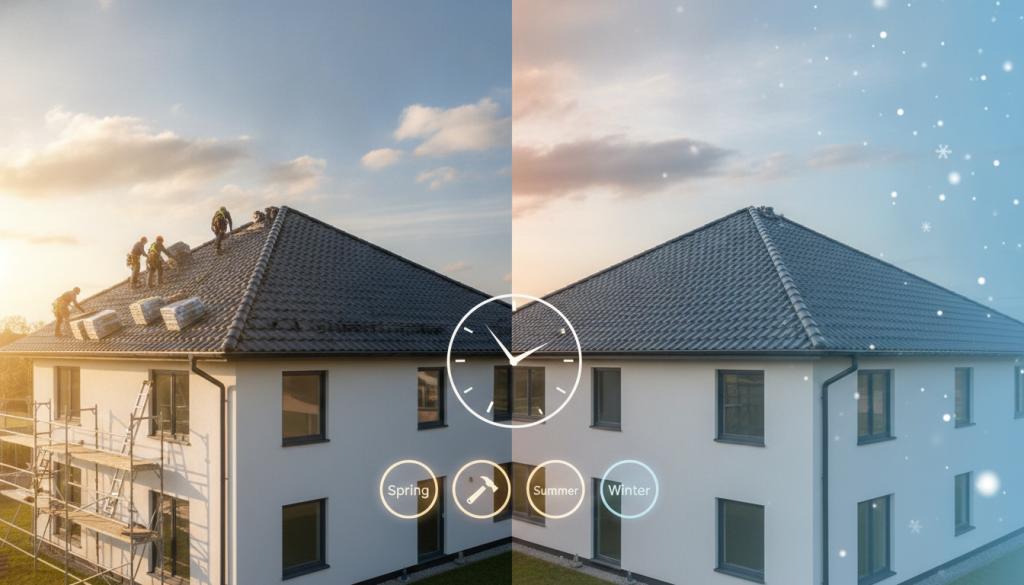
The roof of a home is its first line of defense against the elements, a critical structural component that demands precision, quality materials, and, perhaps most importantly, strategic timing. For homeowners and property managers, understanding The Best Time of Year to Schedule Roofing Work (And Why Timing Matters) is not merely a matter of convenience; it is a financial and structural necessity. The roofing industry is heavily influenced by seasonal shifts, which affect everything from material performance and labor availability to overall project costs. Industry data suggests that a roof installed during optimal weather conditions can have a significantly longer lifespan than one rushed during a period of extreme cold or excessive humidity. As we delve into this comprehensive guide, we will explore how the intersection of climate, contractor schedules, and material science determines the success of your roofing project. Whether you are planning a proactive replacement or responding to an urgent repair, timing your project correctly ensures that the adhesive seals bond properly, the structural integrity is maintained, and your investment is protected for decades to come.
The Spring Season: A Time for Assessment and Renewal
Spring is often viewed as the beginning of the roofing cycle. After the harsh conditions of winter, which may involve heavy snow loads, ice damming, and freezing temperatures, many homeowners discover leaks or shingle damage as the thaw begins. Scheduling roofing work in the spring offers several distinct advantages, though it also presents unique challenges.
The Benefits of Spring Roofing
One of the primary benefits of spring roofing is the moderate temperature. Most roofing materials, particularly asphalt shingles, require a certain level of ambient heat to activate their thermal sealing strips. In the spring, temperatures typically hover in the 50 to 70-degree Fahrenheit range, providing a stable environment for materials to settle without the risk of overheating or becoming brittle. Furthermore, because spring follows the winter lull, many contractors have more flexibility in their schedules compared to the frantic peak of late summer and autumn. Getting ahead of the summer rush allows for more personalized attention from project managers and potentially faster project completion times.
Potential Spring Drawbacks
The main adversary of spring roofing is moisture. Frequent rain showers can lead to project delays, as roofing crews cannot safely work on wet surfaces, and the underlying roof deck must remain dry during the installation process to prevent mold and rot. Additionally, as the ‘spring cleaning’ mentality kicks in, demand begins to ramp up, meaning that by late May, the most reputable contractors may already be booked several weeks in advance. Homeowners should aim to schedule their assessments in late March or early April to secure a spot before the peak season begins.
The Summer Season: High Productivity and High Heat
Summer is traditionally the busiest time for the roofing industry. The long daylight hours and generally dry weather provide a massive window for productivity, allowing crews to complete large-scale replacements in a matter of days. However, the peak of summer brings its own set of technical considerations that both contractors and homeowners must navigate.
Why Summer is Popular
Reliability is the hallmark of summer roofing. While afternoon thunderstorms can occur, the overall lack of sustained precipitation makes it easier to keep a project on schedule. The heat is also beneficial for the ‘thermal sealing’ of shingles. Asphalt shingles have a strip of adhesive that bonds to the layer below it; the consistent heat of summer ensures this bond is strong and immediate, providing excellent wind resistance right from the start.
The Challenges of Extreme Heat
While some heat is good, excessive heat can be problematic. When temperatures soar above 90 degrees, asphalt shingles can become soft and susceptible to ‘scuffing’ from the boots of workers. Professional crews mitigate this by starting very early in the morning and potentially pausing work during the hottest part of the afternoon. From a consumer perspective, summer is the most expensive time to roof. High demand often leads to higher labor costs and less room for negotiation. Furthermore, the physical strain on workers in high humidity and heat can lead to slower progress on particularly complex roof designs.
The Fall Season: The Golden Window for Roofing
Most industry experts agree that autumn is the absolute best time of year to schedule roofing work. The conditions in September, October, and early November are often near-perfect for both the materials and the labor force. However, because this is common knowledge, it is also the time when the industry faces its highest demand.
The Ideal Roofing Environment
Fall provides the ‘Goldilocks’ zone for roofing: not too hot and not too cold. The mild temperatures (typically between 45 and 65 degrees) are ideal for the asphalt shingle sealing process without the risk of the shingles becoming too soft or the workers suffering from heat exhaustion. This period is also critical for preparing a home for the upcoming winter. A new roof installed in the fall ensures that the home is sealed against the snow, ice, and wind that characterize the colder months. It is the final opportunity to address vulnerabilities before they become emergency repairs in the middle of a blizzard.
The Demand Dilemma
Because fall is the optimal time, contractors are often booked months in advance. If you wait until September to call a roofer, you may find that they cannot fit you in until the following spring. To take advantage of the fall window, homeowners should ideally sign contracts in July or August. Pricing in the fall remains at its peak due to the sheer volume of work available to contractors. If your primary goal is the highest quality installation with the best material performance, fall is the winner; if your goal is the lowest price, you may need to look elsewhere.
The Winter Season: The Off-Peak Opportunity
Many homeowners assume that roofing is impossible in the winter. While it is certainly more difficult and requires specialized techniques, winter roofing is not only possible but can also be a strategic choice for those looking to save money or address an urgent need.
Advantages of Winter Roofing
The most significant advantage of winter roofing is cost and availability. Since demand drops significantly, many contractors offer ‘off-season’ discounts to keep their crews working. You will likely have your choice of dates and will receive the undivided attention of the roofing company. For emergency repairs, such as those caused by a fallen tree or a severe winter storm, waiting until spring is not an option, and modern roofing technology allows for safe, effective installations even in cold weather.
Technical Constraints in Cold Weather
Winter roofing requires a high level of expertise. Asphalt shingles become brittle in the cold and can crack if handled improperly or if nail guns are not calibrated correctly. Perhaps the biggest challenge is that the thermal adhesive strips will not seal automatically in temperatures below 40 degrees. Professional contractors solve this by ‘hand-sealing’ shingles, applying a specific amount of roofing cement to each shingle to ensure it stays in place until the sun can naturally seal it in the spring. Metal roofing is an excellent alternative for winter installations, as metal panels do not rely on adhesives and are not affected by the cold in the same way shingles are.
Seasonal Comparison Matrix
To help you visualize the trade-offs of each season, the following table summarizes the key factors involved in scheduling your roofing work.
| Season | Weather Conditions | Contractor Availability | Relative Cost | Best For… |
|---|---|---|---|---|
| Spring | Variable (Rainy) | Moderate | Moderate | Post-winter recovery and early bird planning. |
| Summer | Hot & Dry | Low | High | Fast completion and guaranteed thermal sealing. |
| Fall | Ideal (Mild) | Very Low | High | Optimal material performance and winter prep. |
| Winter | Cold & Snowy | High | Low | Budget-conscious owners and emergency repairs. |
Factors That Influence Your Timing Strategy
While the seasons provide a general framework, several other factors should influence when you decide to pull the trigger on a roofing project. Understanding these variables can help you make a more informed decision that aligns with your specific needs.
Material Selection
The type of roofing material you choose can dictate your schedule. Asphalt shingles are the most sensitive to temperature. However, if you are opting for a metal roof, the ‘temperature window’ is much wider. Metal does not crack in the cold, nor does it require a thermal seal to be effective. Similarly, slate and tile can be installed in colder weather, though the safety of the crew on potentially icy surfaces becomes a major concern. If you are in a situation where you must roof in the winter, considering a metal roofing system may be the most prudent technical choice.
Geographic Location
The ‘best time’ varies significantly by region. In the southern United States, summer can be almost too hot for roofing, making late autumn and winter the preferred seasons. In the northern states and Canada, the window for roofing is much shorter, and the ‘winter’ season can last five to six months, making the spring and fall rushes even more intense. Always consider your local climate patterns rather than a national average.
The Urgency of Repair
There is a significant difference between a planned replacement and an emergency repair. If your roof is actively leaking, the ‘best time’ is immediately. Moisture infiltration can lead to structural rot, destroyed insulation, and mold growth, all of which are far more expensive to fix than the premium you might pay for an out-of-season or peak-season roofing job. Do not sacrifice the interior of your home to wait for a ‘cheaper’ month.
Frequently Asked Questions
1. Can a roof be installed in the rain?
No, a professional roofing contractor will not install a roof while it is raining. Doing so traps moisture under the shingles and underlayment, which can lead to wood rot and mold. Furthermore, wet roofs are extremely slippery and pose a significant safety risk to the crew.
2. What is the cheapest month to get a new roof?
Typically, the winter months of January and February are the cheapest. Because demand is at its lowest, contractors are more likely to offer discounts, and material suppliers may have end-of-year inventory clearances. However, keep in mind that the labor may take longer due to cold-weather precautions.
3. How long does a typical roof replacement take?
For an average-sized residential home, a roof replacement usually takes 1 to 3 days. This can be extended by factors such as the complexity of the roof’s pitch, the number of layers being removed, and, of course, the weather conditions during the project.
4. Does the heat damage shingles during a summer installation?
Excessive heat can make shingles soft, making them prone to scuffing from foot traffic. However, experienced contractors use ‘roofing jacks’ and specialized footwear, and they often work during the cooler morning hours to prevent any aesthetic or structural damage to the new shingles.
5. How far in advance should I book my roofing contractor?
For a project in the peak seasons of summer or fall, it is advisable to book at least 2 to 4 months in advance. For spring or winter projects, a lead time of 4 to 6 weeks is usually sufficient, though the best contractors often have waitlists regardless of the season.
Conclusion
Timing your roofing work is a delicate balance between weather conditions, contractor availability, and financial considerations. While The Best Time of Year to Schedule Roofing Work (And Why Timing Matters) is technically the autumn due to the perfect combination of mild temperatures and low humidity, every season offers a unique set of pros and cons. Spring is excellent for early assessments, summer provides the most reliable weather for fast completion, and winter offers the potential for significant cost savings. The key to a successful roofing project lies in proactive planning. By understanding the seasonal nuances of the roofing industry, you can avoid the stress of emergency repairs, ensure your materials are installed under optimal conditions, and ultimately extend the life of your home’s most important protective feature. Do not wait until a leak appears; evaluate your roof today and start the conversation with a trusted professional to secure your spot in the optimal seasonal window.