Introduction: The Solar Revolution and the Foundation Beneath It
The global shift toward renewable energy is accelerating at an unprecedented pace. As homeowners across the country seek to reduce their carbon footprint and gain energy independence, residential solar photovoltaic (PV) systems have become a primary solution. However, many homeowners jump into solar contracts without considering the most critical component of the entire project: the roof. Thinking About Solar Panels? Here’s What Your Roof Needs First is not just a cautionary phrase; it is a technical necessity. A solar array is an investment designed to last 25 to 30 years. If the platform supporting that investment—your roof—is not prepared to handle the load, environmental stressors, or the installation process itself, the financial and structural consequences can be devastating. In this comprehensive guide, we will explore the structural, material, and logistical requirements your roof must meet before you even consider signing a solar installation agreement.
Understanding Structural Integrity and Load-Bearing Capacity
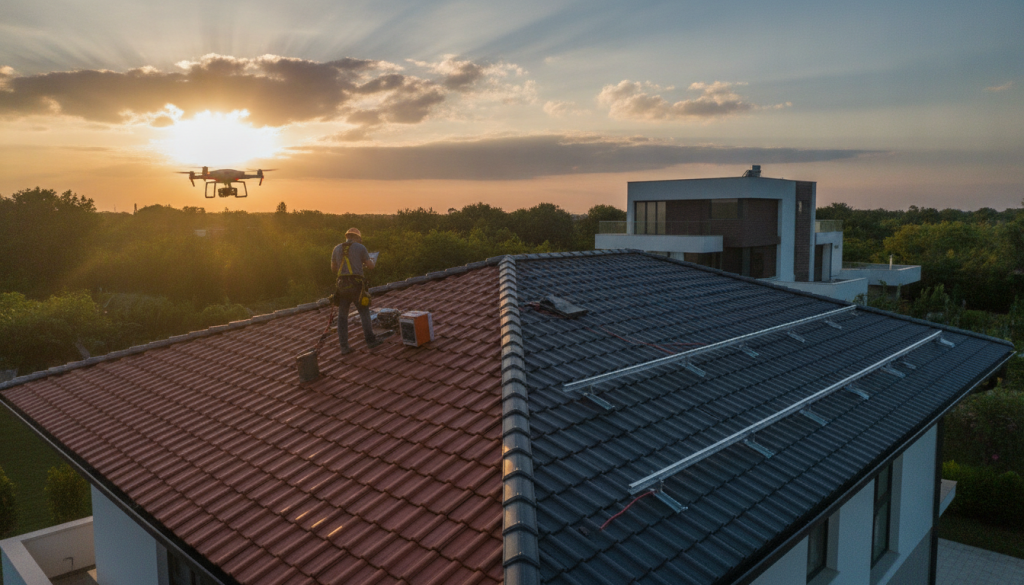
Before a single panel is bolted down, you must understand that you are adding significant weight to your home’s structure. Most modern solar panels weigh between 40 and 50 pounds each. When you factor in the racking system, wiring, and hardware, a standard 6kW to 10kW system can add anywhere from 1,000 to 2,500 pounds of dead load to your roof. Dead load refers to the permanent weight of the roofing materials and the solar equipment. However, structural integrity isn’t just about the weight of the panels. Professional engineers also calculate live loads, which include temporary weight such as snow accumulation and wind uplift forces. In regions prone to heavy snowfall, the combination of panel weight and snow can exceed the original design capacity of the roof trusses. Furthermore, solar panels act like sails; during high-wind events, they create upward pressure (uplift) that can pull on the roof rafters. A thorough inspection by a structural engineer or a highly qualified roofing contractor is essential to ensure that your rafters or trusses can withstand these multi-directional forces without sagging or failing over time.
The Age of Your Roof: The 10-Year Rule
One of the most common mistakes homeowners make is installing solar panels on an aging roof. If your roof is more than 10 to 12 years old, or if it is approaching the final third of its expected lifespan, you should almost always replace the roof before installing solar. Why? Because the cost of removing and reinstalling a solar array just to perform a roof repair is exorbitant. On average, a “detach and reset” service for solar panels can cost between $3,000 and $6,000, depending on the system size. This is a pure sunk cost that provides no additional energy benefit. By aligning the lifespan of your roof with the lifespan of your solar panels, you ensure that both systems age together, maximizing your return on investment. If your asphalt shingles are curling, losing granules, or showing signs of brittle aging, the pressure of installers walking on the roof and the added weight of the array will likely accelerate their failure.
Material Compatibility: Which Roofs Work Best?
Not all roofing materials are created equal when it comes to solar readiness. The mounting hardware and installation techniques vary significantly based on what is currently protecting your home. Below is a comparison of common roofing materials and their relationship with solar installations.
Roofing Material Comparison for Solar Suitability
- Asphalt Shingles: The most common material. Highly compatible. Installers use flashing kits to slide under shingles and bolt into rafters.
- Standing Seam Metal: The “Gold Standard” for solar. Panels can be attached using specialized clamps that grip the seams, meaning zero penetrations are made in the roof surface.
- Clay and Concrete Tile: These are fragile. Installers must often remove tiles, install a “tile hook,” and sometimes replace the tiles with specialized solar flashing tiles to prevent breakage.
- Flat Roofs (TPO/EPDM): These often use “ballasted” systems that rely on weight rather than penetrations, though structural capacity must be carefully monitored.
The following table provides a high-level overview of how different materials stack up regarding solar installation complexity and longevity:
| Material Type | Solar Compatibility | Mounting Method | Estimated Lifespan |
|---|---|---|---|
| Asphalt Shingle | High | Penetrating Brackets | 20-30 Years |
| Standing Seam Metal | Excellent | Non-Penetrating Clamps | 50+ Years |
| Clay/Concrete Tile | Moderate | Tile Hooks / Replacement Tiles | 50+ Years |
| Wood Shake | Low | Custom Flashing (Difficult) | 20-25 Years |
| TPO / Flat Roof | High | Ballasted or Heat-Welded | 20-25 Years |
Orientation, Pitch, and Shading Factors
While the physical health of the roof is paramount, its geometry determines the efficiency of your solar investment. In the northern hemisphere, south-facing roofs are the most desirable as they capture the maximum amount of sunlight throughout the day. However, east and west-facing roofs are also viable, though they may produce 15% to 20% less energy. The pitch (angle) of the roof also matters; a pitch between 30 and 45 degrees is generally considered optimal for year-round production. If your roof is too steep, installation costs may rise due to the need for specialized safety equipment. Conversely, if the roof is flat, you may need a tilt-rack system to angle the panels toward the sun. Finally, you must evaluate “soft” obstacles. Chimneys, dormers, and nearby trees can cast shadows that significantly degrade the performance of a solar string. A roof with a large, unobstructed rectangular plane is the ideal candidate for a high-performing solar array.
The Critical Role of Flashing and Waterproofing
Every time an installer drills a hole into your roof to secure a mounting bracket, they are creating a potential leak point. This is why the quality of the flashing is non-negotiable. High-quality solar installations use metal flashing that slides underneath the existing roofing material to redirect water away from the penetration point. Homeowners should be wary of installers who rely solely on chemical sealants or “caulk” to waterproof a bolt hole. Over time, UV rays and thermal expansion will cause sealants to crack and fail, leading to slow leaks that can rot your roof decking and rafters long before you notice water dripping from your ceiling. Always ask your contractor about their flashing specifications and whether they use integrated systems designed specifically for your roof type.
Warranties and Legal Considerations
One often overlooked aspect of Thinking About Solar Panels? Here’s What Your Roof Needs First is the impact on your existing roofing warranty. Many roofing manufacturers will void the warranty on the specific area of the roof where solar panels are installed if the work is not performed by a certified professional or if the installation causes damage to the shingles. It is imperative to contact your original roofing contractor to see if they offer solar-ready certifications or if they can oversee the installation to keep your warranty intact. Additionally, ensure your solar contract includes a “workmanship warranty” that specifically covers roof leaks caused by the installation for at least 10 years.
Frequently Asked Questions
1. Can I install solar panels on a roof with two layers of shingles?
Technically it is possible, but it is highly discouraged. Most building codes prohibit a third layer, and the weight of two layers of shingles plus a solar array often exceeds structural safety limits. It is best to strip the roof down to the deck before installing solar.
2. How do I know if my roof rafters are strong enough?
A professional solar site assessment should include an attic inspection. The technician will look at the size of the rafters (e.g., 2×4 vs 2×6), the spacing (16″ vs 24″ on center), and any signs of existing stress or moisture damage.
3. What happens if my roof leaks after the solar panels are installed?
If the leak is under the array, the panels will likely need to be removed to facilitate the repair. This is why high-quality flashing and a pre-installation roof inspection are so critical to avoiding massive repair bills.
4. Does solar increase my property taxes?
In many states, there are property tax exemptions for renewable energy installations, meaning the added value of the solar system won’t increase your tax bill, though this varies by jurisdiction.
5. Is a metal roof really better for solar?
Yes. Standing seam metal roofs allow for a “zero-penetration” install using clamps. This preserves the integrity of the roof’s waterproofing layer and usually results in a faster, cleaner installation.
Conclusion: A Holistic Approach to Energy and Shelter
Thinking About Solar Panels? Here’s What Your Roof Needs First is a mindset that saves homeowners thousands of dollars and years of frustration. Your roof is the first line of defense for your home; the solar panels are a secondary, functional layer. By ensuring that your roof has the structural capacity, the appropriate remaining lifespan, and the correct material compatibility, you are setting the stage for a successful energy transition. Never rush into a solar agreement without a professional roofing assessment. When the two systems are integrated correctly, they provide a synergy of protection and production that will serve your home for decades to come. Prioritize the foundation, and the energy will follow.