
Introduction
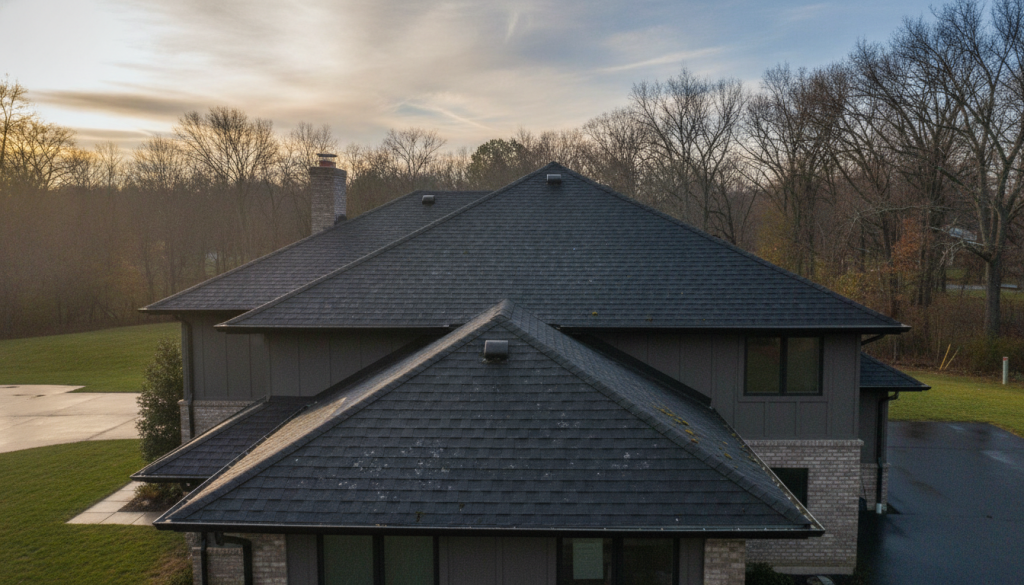
For most homeowners, the roof is a “set it and forget it” component of the house until a drip appears on the ceiling or a shingle is found lying in the yard after a storm. However, the reality of roofing science is far more complex. A roof is a dynamic system that is constantly under siege by the elements. Even on a clear, sunny day or during a gentle breeze, your roof is undergoing chemical and physical changes. Understanding How Weather Slowly Ages Your Roof Even Even When There Are No Visible Problems is essential for long-term property maintenance and financial planning. Industry trends now show that while modern materials are more durable, the increasing frequency of extreme temperature swings and high UV indices is shortening the actual service life of roofs compared to their theoretical ratings. This article provides a deep-dive into the invisible mechanisms of roof aging.
The Silent Killer: UV Radiation and Photodegradation
Perhaps the most persistent yet invisible threat to a roof is ultraviolet (UV) radiation. Even on cloudy days, UV rays penetrate the atmosphere and strike your roofing materials. For asphalt shingles, which are the most common roofing material in North America, UV radiation triggers a process known as photodegradation.
The Chemistry of Volatilization
Asphalt shingles are composed of a fiberglass mat saturated with asphalt and topped with ceramic granules. The asphalt provides the waterproofing, and it stays flexible because of specific oils and polymers within the mix. UV radiation provides the energy to break the molecular bonds within these oils. As these bonds break, the oils evaporate—a process called volatilization.
When these oils are lost, the shingle loses its flexibility. It becomes brittle and “dry.” From the ground, the roof may look perfectly fine, but at a molecular level, the waterproofing layer is becoming prone to micro-cracking. This is why an older roof might shatter like glass if stepped on, whereas a new roof is pliable and resilient.
Granule Loss and the Protective Shield
The granules on your shingles aren’t just for color; they are the primary defense against UV rays. As the asphalt binder degrades due to heat and UV, it loses its grip on these granules. Over time, they wash away into the gutters. Once the granules are gone, the underlying asphalt is exposed directly to the sun, which accelerates the degradation process exponentially. This creates a feedback loop of aging that is often invisible until the shingles begin to curl or “bald.”
Thermal Shock and the Physics of Expansion
Your roof is subject to massive temperature fluctuations, often within a single 24-hour period. This phenomenon, known as diurnal temperature swings, causes the roof to expand and contract. This physical movement is the primary driver of mechanical wear.
The Coefficient of Thermal Expansion
Every material on your roof—wood, metal, asphalt, and plastic—has a different coefficient of thermal expansion. This means they grow and shrink at different rates. On a hot summer day, your roof surface can reach temperatures of 150°F or more. When a sudden afternoon rainstorm hits, the temperature can drop by 50 degrees in minutes. This rapid cooling causes the materials to snap back to a smaller size. This is called thermal shock.
Over years, this constant “breathing” of the roof causes several invisible problems:
- Fastener Fatigue: Nails can slowly back out of the decking as the wood and metal expand and contract at different rates. This is known as “nail backing,” which creates a small gap where water can eventually seep in.
- Sealant Failure: The adhesives that bond shingles together (the seal strip) can become stressed and eventually fail, making the roof vulnerable to wind uplift.
- Flashings Stress: Metal flashings around chimneys and vents are rigid. The constant movement of the roof deck against these rigid structures can break the caulking or mortar seals.
Moisture: The Invisible Infiltrator
While we think of moisture as a leak, it often causes damage long before a drop of water enters the living space. High humidity and microscopic water intrusion are the silent enemies of the roof’s structural integrity.
Vapor Pressure and Attic Ventilation
Weather affects your roof from both sides. High humidity in the summer or trapped moisture in the winter can build up in the attic space. If the roof isn’t properly ventilated, this moisture is driven into the underside of the roof decking by vapor pressure. This can cause the plywood to delaminate or rot from the inside out. From the outside, the shingles look perfect, but the foundation they sit on is softening.
Microbial Growth: Moss, Algae, and Lichen
In damp, shaded environments, moisture fuels the growth of organic organisms. While Gloeocapsa magma (the black streaks often seen on roofs) is mostly aesthetic, it does absorb heat, which increases thermal stress. However, moss and lichen are more destructive. They have root-like structures (rhizoids) that can actually penetrate the shingle mat to find moisture. They hold water against the roof surface, preventing it from drying and leading to localized rot that isn’t visible until the shingle is physically lifted.
Wind Dynamics and Pressure Differentials
You don’t need a hurricane to experience wind damage. Constant, moderate winds create pressure differentials over the surface of your roof. According to Bernoulli’s principle, fast-moving air creates low pressure. This creates a “lift” effect on your shingles.
Even if the shingles don’t blow off, this constant lifting and fluttering weakens the adhesive bond and the structural integrity of the fiberglass mat. Furthermore, wind carries dust and debris which act as an abrasive, slowly sanding down the protective granules of the roof over a period of years.
Weather Impact Summary Table
The following table summarizes how different weather elements contribute to the invisible aging of your roofing system.
| Weather Factor | Primary Mechanism | Invisible Long-Term Effect | Potential Result |
|---|---|---|---|
| UV Radiation | Photodegradation | Loss of volatile oils and bitumen flexibility | Brittle shingles and micro-cracking |
| Thermal Cycling | Expansion/Contraction | Mechanical fatigue of fasteners and seals | Nail pops and sealant failure |
| Humidity | Vapor Pressure | Wood rot and delamination of decking | Structural sagging and mold growth |
| Wind | Pressure Differential | Weakening of the adhesive seal strip | Increased vulnerability to blow-offs |
| Freeze/Thaw | Expansion of Ice | Widening of existing micro-cracks | Accelerated material breakdown |
The Role of Material Quality in Aging
Not all materials age at the same rate. While the weather acts on all of them, the chemistry of the material dictates the speed of decline. For instance, metal roofing is highly resistant to UV degradation and volatilization, but it is highly susceptible to thermal expansion. Tile roofs are excellent at resisting UV and heat but can suffer from the freeze-thaw cycle if the material is porous. Asphalt shingles, being the most affordable, are the most susceptible to the chemical breakdown caused by the sun. Understanding these nuances helps in predicting when a roof might need replacement even if it currently “looks okay.”
Frequently Asked Questions
1. Can a roof fail if it isn’t leaking?
Yes. A roof can reach the end of its functional life when the materials become too brittle to withstand wind or when the structural decking has been compromised by humidity. A leak is often the last stage of a long-term aging process.
2. How does color affect the aging of my roof?
Darker roofs absorb more heat, leading to higher surface temperatures. This accelerates the volatilization of oils in asphalt shingles and increases the intensity of thermal expansion and contraction compared to lighter-colored roofs.
3. Is it normal to see granules in my gutters?
A small amount of granule loss is normal, especially on a new roof (factory excess). However, consistent or heavy granule loss is a clear sign that the asphalt binder is degrading and the roof is losing its UV protection.
4. Does a 30-year warranty mean my roof will last 30 years?
Not necessarily. Manufacturers’ warranties cover defects, but the actual service life depends on local weather conditions, attic ventilation, and maintenance. In many climates, a “30-year” shingle may only provide 20-25 years of functional protection.
5. How often should I have my roof inspected?
Professional inspections are recommended every 1-2 years. An expert can identify “invisible” signs of aging like brittle shingles, failing sealants, or minor nail pops that a homeowner would likely miss from the ground.
Conclusion
Understanding How Weather Slowly Ages Your Roof Even When There Are No Visible Problems is the key to proactive home ownership. Your roof is a complex chemical and mechanical shield that is constantly being worn down by UV rays, temperature shifts, and moisture. By the time a leak is visible, the damage has often spread to the decking, insulation, and interior structure. By recognizing the invisible signs of aging—such as granule loss, thermal fatigue, and the effects of humidity—you can make informed decisions about repairs and replacements, ultimately protecting your home’s value and your family’s safety. Regular professional assessments remain the best way to monitor these hidden processes and ensure your roof continues to perform its vital function.